Pesquisar este blog

Mostrando postagens com marcador Vitamin D in preventive medicine:. Mostrar todas as postagens

sábado, 20 de agosto de 2011

Papel potencial da vitamina D na Esclerose Múltipla

Papel potencial da vitamina D na Esclerose Múltipla


Filed in A-Featured , Health , Medical Mondays , Science on June 1, 2009 | Arquivado em A-Destaque, Saúde, Medicina segundas-feiras, Ciência, 1 de junho, 2009 | // ShareThis


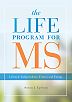
Susan J. Epstein, MS, MEd, is the Program Coordinator at the Jacobs Neurological Institute . Susan J. Epstein, MS, MED, é o coordenador do Programa no Instituto Neurológico Jacobs. In her new book The Life Program For MS: Lifestyle, Independence, Fitness, and Energy , she addresses the limitations imposed by Multiple Sclerosis which results in patients becoming sedentary, gaining excess weight and developing poor eating and exercise habits.  Epstein provides a user-friendly teaching tool that helps sufferers to incorporate new behaviors into their daily routines.  In the original article below Epstein looks at the role of vitamin D in MS. Em seu novo livro O Programa Life For MS: Estilo de Vida, Independência, Centro, e da Energia, ela aborda as limitações impostas pela esclerose múltipla que os resultados em pacientes tornando-se sedentário, ganhando o excesso de peso e desenvolvimento de má alimentação e hábitos de exercício. Epstein prevê um usuário ferramenta de ensino, que ajuda pessoas que sofrem de incorporar novos comportamentos em suas rotinas diárias. No artigo original abaixo Epstein analisa o papel da vitamina D em MS.


A deficiency in vitamin D is currently one of the most studied environmental risk factors for MS and is potentially the most promising in terms of new clinical implications. A deficiência de vitamina D é atualmente um dos mais estudados fatores de risco ambientais para MS e é potencialmente mais promissores em termos de novas implicações clínicas. In particular, this vitamin could alter the immune response taking a positive role in the central nervous system. Em particular, esta vitamina pode alterar a resposta imune, tendo um papel positivo no sistema nervoso central. There are two main types of risk factors for MS: genetic and environmental. Existem dois tipos principais de fatores de risco para MS: genéticos e ambientais. In today’s world many genetic predispositions for various conditions have been discovered, and the various environmental triggers identified; making this an exciting time for learning specific ways to change behavior to improve or protect health. No mundo de hoje muitas predisposições genéticas para várias condições foram descobertas, e as várias causas ambientais identificados, tornando este um momento emocionante para aprender maneiras específicas de mudança de comportamento para melhorar ou proteger a saúde.


The following environmental factors influence the risk of MS: Os seguintes fatores ambientais influenciam o risco de MS:
1.
1. latitude latitude
2.
2. past exposure to sun exposição passada ao sol
3.
3. serum level of vitamin D nível sérico de vitamina D


Worldwide, latitude has an undeniable effect on the prevalence of MS which occurs with much greater Em todo o mundo, latitude tem um efeito inegável sobre a prevalência da esclerose múltipla que ocorre com muito maior frequency in areas further away from the equator. freqüência em áreas mais distantes do equador. Lower incidence of the disease is found in tropical regions where the high degree of sunlight is recognized as the correlate. Menor incidência da doença é encontrada em regiões tropicais, onde o elevado grau de luz solar é reconhecido como o correlato. Latitude has an overall influence on the amount of sunlight in a given region making geographical location advantageous. Latitude tem uma influência global sobre a quantidade de luz solar em uma determinada região, tornando a localização geográfica vantajosa. So if we know that the level of exposure to sunlight directly affects the level of vitamin D in our bodies and this vitamin is known as the “sunshine vitamin” where does that leave those of us who live in the northern hemisphere? Então, se nós sabemos que o nível de exposição à luz solar afeta diretamente o nível de vitamina D no nosso organismo e essa vitamina é conhecida como a vitamina do sol “, onde é que isso deixe aqueles de nós que vivem no hemisfério norte? Does this suggest people even without disease are deficient in vitamin D? Isto sugere até mesmo as pessoas sem a doença são deficientes em vitamina D? Also, the western diet lacks this crucial vitamin providing less than 100 IU a day, falling far below the daily requirement of 2,000 IU/d. Além disso, a dieta ocidental falta desta vitamina fundamental fornecer menos de 100 UI por dia, caindo muito abaixo da necessidade diária de 2.000 UI / d. It is thought that vitamin D is most likely involved in a number of regulatory activities besides just bone health, and could have a dramatic effect on immune function. 
Pensa-se que a vitamina D é mais provável envolvido em uma série de actividades de regulamentação, além de apenas a saúde dos ossos, e poderiam ter um efeito dramático sobre a função imunológica. Such low average levels of vitamin D raise serious public health issues and there is an urgent need for national health institutes to take preventative measures. 

Esses baixos níveis médios de vitamina D levantam sérias questões de saúde pública e há uma necessidade urgente de institutos nacionais de saúde para tomar medidas preventivas. With this knowledge should come behavior change, not only for the MS patient but also the general population. Com este conhecimento deve vir a mudança de comportamento, não só para o paciente MS, mas também a população em geral.


Clinically most MS patients have low levels of vitamin D in their blood and are in a state of deficiency compared to the international norm. Clinicamente, a maioria dos pacientes de MS têm baixos níveis de vitamina D no sangue e estão em um estado de deficiência em relação à norma internacional. A recent study found a direct link between the level of vitamin D circulating in the blood and the disease, without factoring in the effect of latitude or sun exposure. Um estudo recente descobriu uma ligação directa entre o nível de vitamina D circula no sangue ea doença, sem ter em conta o efeito da latitude ou exposição ao sol. Further research trials are necessary before any firm recommendations can be made but in the meantime, physicians can no longer ignore that many MS patients have a lack of vitamin D, which could be detected through systematic blood tests. Ensaios mais pesquisas são necessárias antes que qualquer empresa de recomendações podem ser feitas mas, entretanto, os médicos não podem mais ignorar que muitos pacientes de MS têm uma falta de vitamina D, que poderia ser detectado através de exames de sangue sistemáticos. Vitamin D supplements are appropriate to restore their levels to within normal range. Os suplementos de vitamina D são adequadas para restabelecer os seus níveis, para dentro da escala normal. This should be considered a general medical recommendation simply to increase levels in the blood to the current recommended amount of at least 2,000 IU /d. Isto deve ser considerado uma recomendação médica geral, simplesmente para aumentar os níveis no sangue para a quantidade atual recomendada de pelo menos 2.000 UI / d. This would mean taking between 1,000 and 3,000 IU of vitamin D3 (cholecalciferol) on average per day. Isso significaria, tendo entre 1.000 e 3.000 UI de vitamina D3 (colecalciferol), em média, por dia. There are two types of vitamin D: D2 and D3. Existem dois tipos de vitamina D: D2 e D3. Vitamin D3 is the healthy kind your body makes when exposed to sunshine. A vitamina D3 é o tipo saudável seu corpo faz quando exposta ao sol. D2 is the synthetic form used in prescriptions and is considered inferior to D3. D2 é a forma sintética usada na prescrição e é considerado inferior ao D3.


Having this knowledge regarding the benefits of vitamin D as well as the current published research indicating the prevalence of vitamin D deficiency; behavioral strategies seem appropriate and can be very safe when discussed with your physician. Tendo este conhecimento a respeito dos benefícios da vitamina D, bem como a atual pesquisa publicada indicando a prevalência de deficiência de vitamina D; estratégias comportamentais parecem ser adequadas e podem ser muito seguro quando discutiu com o seu médico. Since moving to a tropical region is unlikely, the options available are: Desde que se mudou para uma região tropical é improvável, as opções disponíveis são:

safe sun exposure, vitamin supplementation, and a diet with foods rich in vitamin D. exposição ao sol segura, a suplementação de vitamina A, e uma dieta com alimentos ricos em vitamina D.


Optimizing sun exposure is a topic in itself and comes with some risk along with conflicting opinions and recommendations from experts in the field though it seems reasonable to get a dose of fresh air and sunshine on days when the weather is in your favor. Otimizando a exposição ao sol é um tema em si, e vem com algum risco, juntamente com opiniões conflitantes e recomendações de especialistas na área, embora pareça razoável para obter uma dose de ar fresco e luz do sol nos dias em que o tempo está a seu favor.  

Some experts recommend exposing your body to sunlight for 15-minutes before applying sunscreen in order to get the benefits from the UV rays which naturally provide the vitamin D needed for good health. Alguns especialistas recomendam expondo seu corpo à luz solar durante 15-minutos antes de aplicar o protetor solar, a fim de obter os benefícios dos raios UV que, naturalmente, fornecer a vitamina D, necessária para uma boa saúde. Luckily a vitamin D3 supplement can provide the same benefits when given in the appropriate dose to bring blood levels to within normal range. Felizmente, um suplemento de vitamina D3 pode fornecer os mesmos benefícios quando utilizado na dose adequada para reduzir os níveis de sangue para dentro da escala normal.


Before purchasing a supplement you should have a blood test to determine your baseline levels of vitamin D. Your neurologist can then take the results and prescribe the amount of vitamin D3 to bring your levels up to within normal range. Antes de comprar um suplemento que você deve ter um exame de sangue para determinar os níveis de sua base de vitamina D. O neurologista pode, então, tomar os resultados e determinar a quantidade de vitamina D3 para trazer os seus níveis de até dentro da normalidade. MS patients are seen regularly to monitor their disease status and can systematically have blood levels measured. 

Pacientes com EM são vistos regularmente para acompanhar o seu estado de doença e pode ter sistematicamente os níveis sanguíneos de medida. You also may want to search for MS Centers that are running clinical trials to study the effects of Vitamin D on MS and inquire about being a subject. Você também pode querer procurar MS Centros que estão executando os ensaios clínicos para estudar os efeitos da vitamina D em MS e inquirir sobre a ser um assunto.


Vitamin D3 supplements are available in both liquid and capsule form. Os suplementos de vitamina D3 estão disponíveis em ambos os líquidos e cápsula formulário. They can be purchased at any pharmacy for as little as $4.49 for 100 capsules containing 1000.0 IU. Eles podem ser comprados em qualquer farmácia por tão pouco quanto $ 4,49 por 100 cápsulas contendo 1000,0 UI. Check the label to make sure the primary ingredient is Vitamin D (as cholecalciferol ). Verifique o rótulo para certificar-se o principal ingrediente é a vitamina D (como colecalciferol).  

[As mentioned earlier the Western diet is commonly very low in vitamin D but there are good food choices to increase the amount in your diet. Como mencionado anteriormente a dieta ocidental é geralmente muito baixa em vitamina D, mas existem boas escolhas alimentares para aumentar a quantidade em sua dieta. Excellent food sources include: oily fish like salmon, mackerel, and sardines; vitamin D-fortified milk and cereals; whole eggs, liver, and beef. Excelentes fontes alimentares são: peixes oleosos como salmão, cavala e sardinha, enriquecidos com vitamina D do leite e os cereais, ovos inteiros, fígado e carne bovina.  

A combination of the three available sources of vitamin D is optimal, and purely from a medical point of view, supplementation is unavoidable in order to improve the general health of the MS patient. A combinação das três fontes disponíveis de vitamina D é ótima, e exclusivamente a partir de um ponto de vista médico, a suplementação é inevitável, a fim de melhorar a saúde geral do paciente MS. And with clinical research trials underway all over the globe, supplementation may soon be proven to be neurologically beneficial. E, com ensaios de investigação clínica em curso em todo o globo, a suplementação poderá em breve ser provado ser neurologicamente benéfico.


terça-feira, 16 de agosto de 2011

Esclerose múltipla, distúrbio metabólico.

Esclerose múltipla, distúrbio metabólico.

Cristiane Rozicki


Cristiane Rozicki é autora desta página e seu conteúdo,
Esclerose múltipla, distúrbio metabólico, atualizado em 11/agosto/2009.
disponível em:
—-
 
 
Esclerose múltipla, distúrbio metabólico.


Durante muito tempo, na história da e.m., se ouviu teses de que era doença geneticamente transmissível, de que podia ser causada por um vírus, ou, ainda, que o vírus que levava ao desenvolvimento da esclerose múltipla estaria relacionado com epidemias como o sarampo e a catapora, ambas graves e infecciosas. Muitas dúvidas sem respostas que causavam verdadeiro estresse emocional aos doentes, uma aflição, por não se saber o que pensar e nem como agir. Alguns médicos até advertiam da necessidade do uso de vitaminas do complexo B. Para minha mãe, portadora de e.m., era receitado nucleodoxina e outra medicação cara, valores altos em dinheiro, para quem recebia pensão por doença.


Anos depois eu passei a apresentar os mesmos sintomas da moléstia (entre 13 e 14 anos). A esclerose múltipla é doença antiga, fim de 1800 ou início de 1900 quando surgiu notícia. Eram projetadas e inventadas vacinas, tema recente. Em mais ou menos 1995, surgiu uma fórmula com células de porcos, assim como existiu a idéia (que foi colocada em prática) de que pessoas com males do sistema nervoso central deveriam passar por terapias com choques elétricos (nazistas também trabalharam com eletricidade). Já se viu de tudo. Choques elétricos foi passagem familiar. E, por fim, até a teoria de um tumor no encéfalo. É desagradável falar disso, mas esta foi a verdadeira miséria humana que conhecemos. Porque, além disso, foi preciso engolir muita ignorância, preconceito e discriminação, da família à escola, das ruas à universidade. Apenas em 1993, depois de uma ressonância magnética com diagnóstico em esclerose múltipla (os médicos do laboratório ficaram chocados, eu fui chamada para refazer o exame) pararam de investir na idéia de que o mal neurológico era meramente psicológico. Mas, depois disso tudo, vingou a idéia de doença auto-imune. Daí os imunosupressores, interferon e rebif.


Alimentação passou a ser difícil. Desde o segundo meado de 1990 era possível perceber como alguns alimentos proporcionavam mal-estares tais como cansaço, fadiga, diminuição da mobilidade e alergias aparentes na pele. O pior era a carne vermelha, açúcar, álcool, frituras e gorduras e agora até o café causa cansaço, tal e qual o desgaste que o cigarro provoca – desde outubro de 2007 até agora estou fumante passiva obrigatoriamente.  Detesto o fumo. Os danos causados pelo tabagismo, mesmo passivo, são graves. O fumo é um neurotóxico que pode alterar a estrutura do SNC, sistema nervoso, e que no mínimo dificulta a respiração.


No entanto, hoje, desde 2003 com certeza,  já se sabe que doenças neurodegenerativas, e.m. assim como o mal de Parkinson, não são doenças transmissíveis e não são causadas por vírus. Ainda, tais doenças não são o resultado da autoimunidade unicamente. Na verdade, trata-se de algo simples e de fácil solução. A neurodegeneração é  resultado de distúrbio metabólico. Há meio de prevenir a degeneração do sistema nervoso central: basta exame de dosagem das vitaminas no sangue – como a B2 ou Riboflavina, a D – e a eliminação de outros fatores desencadeantes: evitar o desgaste emocional e eliminar da dieta alimentar a carne vermelha.


É preciso completar este texto para assinalar a fundamental importancia da vitamina D. Baixos índices de vitamina D no sangue estão diretamente associados ao estresse emocional ou sofrimento. Em casos de doenças auto-imunitárias, tais como a esclerose múltipla, artrite reumatoide, psoriase, hipertireoidismo, hipotireoidismo, lupus, vitiligo, por exemplo, existe deficiência de vitamina D confirmada em exames de sangue. Esta deficiência de vitamina D torna as pessoas mais supcetiveis à depressão e aos estados de sofrimento emocional, que são as condições adequadas à perda de massa neural, o envelhecimento do sistema nervoso. Por outro lado, a solução simples, para estas pessoas, é o consumo de altas doses de vitamina D. A vitamina D é capaz de produzir um estado de bem-estar indescritível, unida ao estado de tranquilização, permite a obtenção de uma condição de estabilização e recuperação do sistema nervoso. É importante que se saiba, em condições de equilíbrio — vitaminas deficientes complementadas e o aspecto emocional tranquilo –, voltam a nascer células-tronco, e novos neuronios, todos os dias.


Estas informações foram expostas recentemente na entrevista com Dr. Cícero Galli Coimbra sobre o sistema nervoso, o estresse emocional, depressão, doenças e o envelhecimento dos neurônios. A importancia da Vitamina D.


a situação fundamental é a mesma: a existência de um distúrbio metabólico evidente e corrigível, capaz de explicar os eventos fisiopatológicos conhecidos, e cuja correção pode deter a progressão da doença (interrompendo a continuidade da morte neuronal crônica, recuperando células neuronais já afetadas pelo processo neurodegenerativo – mas que não atingiram ainda o ponto de irreversibilidade), promover a recuperação total em casos de início recente, ou ao menos parcial das deficiências neurológicas nos casos mais avançados (minimizando seqüelas permanentes) e impedir a morte.” [1]


[1]Dr. Cícero Galli Coimbra
Médico Neurologista e Professor Livre-Docente
Departamento de Neurologia e Neurocirurgia – Universidade Federal de São Paulo – Unifesp/EPM – Sofrimento emocional. – Em defesa da administração de doses elevadas de riboflavina associada à eliminação dos fatores desencadeantes no tratamento (…).

Disponivel em
http://www.unifesp.br/dneuro/nexp/riboflavina/c.htm


—Parkinson – riboflavin and the elimination of dietary red meat promote the recovery [2]
Abstract:
“Abnormal riboflavin status in the absence of a dietary deficiency was detected in 31 consecutive outpatients with Parkinson’s disease (PD), while the classical determinants of homocysteine levels (B6, folic acid, and B12)… received riboflavin orally (30 mg)”.
Disponivel em
http://www.scielo.br/scielo.php?script=sci_arttext&pid=S0100-879X2003001000019&lng=pt&nrm=iso


[2] Brazilian Journal of Medical and Biological Research
ISSN 0100-879X. COIMBRA e JUNQUEIRA.

—Dieta livre de carne e rica em vitamina B2 pode regredir Parkinson
Neurologia – Jornal da Paulista – ano 16 – n. 179 – Maio/2003

Disponivel em
http://www.unifesp.br/comunicacao/jpta/ed179/pesquisa4.htm
Ano 16 – N° 179 – Maio de 2003


Dieta livre de carne e rica em vitamina B2 pode regredir Parkinson. Estudo revela que portadores da doença apresentam deficiência da vitamina e ingerem muita carne vermelha; nova dieta fez com que a recuperação média motora dos pacientes saltasse de 44% para 70% em apenas três meses de tratamento”.


Cristiane Rozicki
11 de agosto de 2009.


Objeto Dignidade
no Blogspot
http://objetodignidade.blogspot.com/

no Orkut
http://www.orkut.com/Community.aspx?cmm=7394899


no Yahoogroups
http://br.groups.yahoo.com/group/Objeto-Dignidade/

no WordPress

--

segunda-feira, 15 de agosto de 2011

Vitamin D Deficiency and Insufficiency

Vitamin D Deficiency and Insufficiency

Vitamin D deficiency has been linked to the pathogenesis of osteoporosis and hip fractures as well as other skeletal and non-skeletal disorders. Although there is ongoing debate as to the exact definition of vitamin D insufficiency, a 2009 report from the IOF CSA Nutrition Working Group shows that regardless of whether it is defined at 50nmol/L or 75nmol/L, vitamin D status is seriously inadequate in large proportions of the population across the globe.

The review provides a global perspective of vitamin D status across different regions of the world and identifies common and significant determinants of hypovitaminosis D. Six regions of the world were reviewed—Asia, Europe, Middle East and Africa, Latin America, North America, and Oceania—through a survey of published literature.

The main risk factors for low vitamin D levels include older age, female sex, higher latitudes, winter season, darker skin pigmentation, less sunlight exposure, dietary habits, and the absence of vitamin D fortification in common foods. Further factors include the increase in urbanization, where people tend to live and work indoors, as well as cultural practices that tend towards sun avoidance and the wearing of traditional clothing that covers the skin. The severity of the problem in Middle East and South Asia arises from the combination of several of these risk factors.

These findings suggest that prevention strategies must be initiated at the national level - especially given the increasing ageing of populations in many regions of the world. National plans of action should encourage safe, limited exposure to sunlight and improved dietary intake of vitamin D, whilst considering fortification of foods as well.

Global vitamin D status and determinants of hypovitaminosis D (2009)

A. Mithal, D.A. Wahl, J-P. Bonjour et al. on behalf of the IOF Committee of Scientific Advisors (CSA) Nutrition Working Group. Global vitamin D status and determinants of hypovitaminosis D (2009) Osteoporosis International,  Vol. 20, Number 11 , 2009, p. 1807-1820
Click here to view the complete report.
Downlaod IOF Position Statement on Vitamin D in Older Adults (2010) (PDF, 98.6 KB)

Download regional reports:

Asia (PDF, 387.7 KB)
Europe (PDF, 289.3 KB)
Middle East and Africa (PDF, 356.9 KB)
Latin America (PDF, 226.7 KB)
North America (PDF, 275.9 KB)
Oceania (PDF, 238.8 KB)

Further Information:

Read about vitamin D
CSA Nutrition Working Group

Harmful Vitamin D Deficiency Common Around World
By Meredith Hegg, Voice of America news
http://www.voanews.com/english/Science/2009-07-20-voa47.cfm
RELATED INTERNAL LINKS
 

Symposium: Vitamin D Insufficiency: A Significant Risk Factor in Chronic Diseases and Potential Disease-Specific Biomarkers of Vitamin D Sufficiency Vitamin D Intake: A Global Perspective of Current Status1

Symposium: Vitamin D Insufficiency: A Significant Risk Factor in Chronic Diseases and Potential Disease-Specific Biomarkers of Vitamin D Sufficiency

Vitamin D Intake: A Global Perspective of Current Status1


Deficiência de vitamina D é uma epidemia mundial, um dois três , com estimativas recentes, indicando maior que 50% da população mundial está em risco. 4
A alta prevalência de deficiência de vitamina D foi encontrada em todas as faixas etárias em todas as populações estudadas em países ao redor do globo. 

  • Dyets Inc.- Quality, Service, & Price.

© 2005 The American Society for Nutritional Sciences J. Nutr. 135:310-316, February 2005

Symposium: Vitamin D Insufficiency: A Significant Risk Factor in Chronic Diseases and Potential Disease-Specific Biomarkers of Vitamin D Sufficiency

Mona S. Calvo*,2, Susan J. Whiting and Curtis N. Barton*
* Office of Applied Research and Safety Assessment, Office of Mathematical Assessment and Services, Center for Food Safety and Applied Nutrition, Food and Drug Administration, and; College of Pharmacy and Nutrition, University of Saskatchewan, Canada
2To whom correspondence should be addressed. E-mail: mona.calvo@cfsan.fda.gov.

ABSTRACT

Global high prevalence of vitamin D insufficiency and re-emergence of rickets and the growing scientific evidence linking low circulating 25-hydroxyvitmain D to increased risk of osteoporosis, diabetes, cancer, and autoimmune disorders have stimulated recommendations to increase sunlight (UVB) exposure as a source of vitamin D. However, concern over increased risk of melanoma with unprotected UVB exposure has led to the alternative recommendation that sufficient vitamin D should be supplied through dietary sources alone. Here, we examine the adequacy of vitamin D intake worldwide and evaluate the ability of current fortification policies and supplement use practices among various countries to meet this recommendation. It is evident from our review that vitamin D intake is often too low to sustain healthy circulating levels of 25-hydroxyvitmain D in countries without mandatory staple food fortification, such as with milk and margarine. Even in countries that do fortify, vitamin D intakes are low in some groups due to their unique dietary patterns, such as low milk consumption, vegetarian diet, limited use of dietary supplements, or loss of traditional high fish intakes. Our global review indicates that dietary supplement use may contribute 6–47% of the average vitamin D intake in some countries. Recent studies demonstrate safety and efficacy of community-based vitamin D supplementation trials and food staple fortification introduced in countries without fortification policies. Reliance on the world food supply as an alternative to UVB exposure will necessitate greater availability of fortified food staples, dietary supplement use, and/or change in dietary patterns to consume more fish.
KEY WORDS: • vitamin D intake • 25-hydroxyvitamin D • food fortification • dietary supplements • vitamin D dietary requirements
Controversy over the source of vitamin D
Adequate circulating 25-hydroxyvitamin D [25(OH)D]3 concentrations are critical to maintaining the health and the function of the immune, reproductive, muscular, skeletal, and integumentary system of men and women of all ages and races (1). In most individuals, the majority of the circulating 25(OH)D originates from cholecalciferol or vitamin D-3, which is synthesized in the skin upon exposure to sufficient UV blue light (UVB) to cleave the B steroid ring of 7-dehydrocholesterol (2). Vitamin D-3 must undergo 2 separate hydroxylation steps to become functional in its primary biological role in calcium and phosphorus homeostasis. After synthesis in the skin, it is transported to the liver, where it is metabolized to 25(OH)D and may be stored or released to circulation. This intermediary metabolite is the major circulating and storage form that is delivered to tissue for further activation. When physiological demands for calcium and phosphorus arise, circulating 25(OH)D is metabolized to its biologically active hormonal form, 1,25-dihydroxyvitamin D [1,25(OH)2D] primarily in the renal tubular cells (1,2). The best characterized target organs for 1,25(OH)2D are the intestine, the kidney, and the bone, but nuclear receptors for this secosteroid hormone have been identified for >30 tissues (2); thus it has other important functions in addition to calcium homeostasis.
Adequacy of vitamin D nutritional status is measured by the circulating levels of 25(OH)D, which is the combined product of cutaneous synthesis from solar exposure and dietary sources. In free-living children and adults, the majority of circulating 25(OH)D originates from UVB exposure. Several recent studies have identified a high prevalence of vitamin D deficiency and insufficiency in otherwise healthy adults and children living in North America (3,4), Europe (5,6), and even sun-drenched countries (7,8). The importance of vitamin D deficiency to health relates to its role as a significant risk factor for osteoporosis, diabetes, cancer, ischemic heart disease, and autoimmune and infectious diseases (9). The widespread prevalence of vitamin D deficiency and its function in these chronic diseases has called attention to the critical need for adequate exposure to the sun. However, many dermatologists who are concerned about the anticipated 55,000 annual cases of melanoma, the most deadly form of skin cancer, have dismissed the importance of this call for prudent exposure to sunlight. Despite the high prevalence of vitamin D insufficiency, these experts consider the health risks to be small compared with the danger of melanoma. They caution that no level of unprotected sun exposure is prudent or warranted. One skin cancer expert recently emphasized that "people can get all the vitamin D they need from eating fish or drinking more milk" (10). Regrettably, little consideration has been given to the accuracy of this statement. Do we consume enough vitamin D in our diets in the United States, Canada, or the rest of the world, even in sun-drenched countries where exposure is difficult to avoid and there should be little dependency on dietary sources to maintain adequate circulating levels of 25(OH)D? Are there adequate levels of vitamin D in the food supply to meet physiological needs even in populations that are at greatest risk, such as the elderly and individuals with dark skin who live at the highest latitudes? These are the questions that we seek to address in this paper, as well as review the adequacy of current intake levels in maintaining healthy circulating levels of 25(OH)D.
Vitamin D intake and the importance of food fortification and dietary supplement use
The evidence continues to grow that demonstrates the strong association between vitamin D status and the reduced risk of chronic disease that now can be undeniably linked to vitamin D intake, as well as reduced sun exposure. The importance of vitamin D intake in the prevention of chronic disease is further strengthened by several recent cross-sectional or longitudinal studies that demonstrate a significant association between estimates of vitamin D intake and reduction in risk of osteoporosis (1112), diabetes (13,14), cancer (1517), multiple sclerosis (18), and rheumatoid arthritis (19).
When environmental, social, or physiological circumstances prevent adequate exposure to sunlight, dietary compensation must occur to maintain serum 25(OH)D levels. For those countries in which high levels of fatty fish are not consumed, the richest natural source of vitamin D, the only alternative to increasing their exposure to natural or artificial UVB light is to fortify their food or to use vitamin supplements. The effect of food fortification and dietary supplement use in different countries on estimates of vitamin D intake among different age groups in their populations are presented (Fig. 1). We compared intake estimates from studies conducted over the last 25 y (19101) that reported quantified vitamin D intakes estimated from FFQs, 24-h recall, or multiple-day food records to illustrate the impact of food fortification, dietary supplement use, or dietary patterns featuring high fish consumption without extensive food fortification. Dependent on their country of origin, studies were assigned to 1 of 3 categories that reflect their countries’ overall national policy of food fortification with vitamin D. Category One reflects countries with some mandatory fortification of staple foods, such as milk and margarine, and allows optional fortification of other classes of food that includes the United States and Canada (1942). Category Two includes the United Kingdom, Ireland, Scotland, Australia, and similar countries (4363) with no required fortification of foods; however, these countries allow optional fortification of a number of foods, including staples such as margarine and breakfast cereals. Countries where no mandatory fortification of foods with vitamin D occurs and where there is limited or restricted use of optional food fortification were assigned to Category Three; this category includes Europe and the majority of other countries in the world (6496). The third category also contains vitamin D intake estimates from countries like Japan and Norway that have little or no fortification of foods but that consume relatively high vitamin D intakes due to their high fish consumption (97101).


View larger version (31K):
In this window
In a new window
 
FIGURE 1 Vitamin D intake of children, adults, and elderly subjects from studies conducted in countries classified into Categories One, Two, and Three according to the national food fortification policy (data taken from references 19101). AI, adequate intake (Canada and United States); RNI, recommended nutrient intake (United Kingdom).
Because so few studies take on the difficult task of assessing vitamin D intake, we considered data from nationally representative surveys as well as small focused clinical studies. A number of confounders contribute to the variability that occurs in Figure 1. Primarily, there is a lack of consistency in the methods used to collect the dietary intake information and large variability in nutrient composition databases used to quantitate vitamin D intake. Vitamin D intake estimates from Category One countries with the highest level of food fortification practices show 2–3 µg higher intakes than the other 2 categories (42,54). We believe this albeit crude approach reveals the significance of food fortification and nutritional supplement use to vitamin D intake. Overall comparisons of calcium and vitamin D intakes of the general population of North America (United States and Canada; Category One) relative to that of many European countries (Category Three) show both moderately low calcium and vitamin D intake in North America, whereas in Europe, calcium intake is much higher but vitamin D intake is quite lower (2–4 µg/d), reflecting the lack of milk fortification.
The percentage contributions of various food groups to mean daily vitamin D intake in 4 different countries with distinct food fortification practices is presented (Fig. 2). Among these countries, young adult Caucasian American men and women have the highest average daily vitamin D intake (8.12 and 7.33 µg/d) with ∼5.1 and 3.1 µg/d contributed by fortified foods (42). British men and women consume much lower levels of vitamin D (4.2 and 3.7 µg/d, respectively), with a modest estimated 1.4 and 1.1 µg contributed by fortified foods based on the fact that some breakfast cereals are fortified with vitamin D, and vitamin D is required by law to be added to margarine and is also added to most reduced and low-fat spreads (57). Unlike Americans, the British report ∼41 and 44% contributions for men and women, respectively, from meat, fish, eggs, and milk (not fortified), which probably reflects the application of new analytical methods by the British who report measurable amounts of vitamin D in meat and eggs (57). Most European food composition databanks do not contain information on vitamin D and are not standardized with regard to analytical methods; therefore, many studies do not calculate vitamin D intake. The United States and Canada are also in need of updating and reanalyzing foods for vitamin D content. No vitamin D fortification is practiced in Japan (101), and there is limited fortification of foods in Norway (68); however, there are higher mean vitamin D intakes for Norwegian men (6.8 µg/d) and women (5.9 µg/d), and for Japanese women (7.1 µg/d) than their British counterparts, who allow some foods to be fortified (Fig. 2). Their higher intake is attributed to high fish consumption, contributing an average 1.8 and 1.5 µg/d to Norwegian daily intakes and 6.4 µg to daily Japanese vitamin D intake (68,101). Fish consumption appears to be a significant factor in maintaining adequate concentrations of serum 25(OH)D, especially during the winter in Japan. Nakamura and colleagues (101) found that fish consumption was positively associated with serum 25(OH)D concentrations in elderly Japanese women. They observed that subjects who ate fish frequently (≥4 times/wk) had significantly higher 25(OH)D concentrations by an average of 10 nmol/L than women who ate fish 1–3 times/wk (Fig. 3). Japanese women consume very low levels of calcium but experience 33–50% lower incidence of osteoporosis compared with elderly women in the United States and northern Europe (101). The authors suggest that frequent fish consumption helps maintain adequate concentrations of serum 25(OH)D in elderly Japanese women and may explain this lower incidence of osteoporosis, despite low calcium intakes. Other studies have demonstrated that diet is a significant independent predictor of plasma 25(OH)D levels. This is evident when indigenous inhabitants, often in extreme northern or southern latitudes, change from traditional foods naturally rich in vitamin D, such as fish and blubber, to Westernized diets (102).


View larger version (31K):
In this window
In a new window
 
FIGURE 2 Percentage of contribution of various food groups to mean daily vitamin D intake in the United States (upper left panel), United Kingdom (upper right panel), Japan (lower left panel), and Norway (lower right panel), demonstrating the influence of different food fortification practices and contributions from dietary supplement use [data taken from references (57,68,101,103)].


View larger version (79K):
In this window
In a new window
 
FIGURE 3 Serum concentrations of 25-hydroxyvitamin D in elderly Japanese women plotted by frequency of fish consumption [data taken from reference (101)].
The growing importance of the use of dietary supplements to mean daily vitamin D intakes is presented (Fig. 2). In adult Caucasian men and women in the United States, nutritional supplements contributed 30 and 40%, respectively, to total vitamin D intake (42,103) to 42 and 49% of vitamin D intake of Norwegian men and women, respectively (68), and to 12 and 24% of the average daily intake of British men and women, respectively (57), whereas nutritional supplements do not contribute to average daily intake in Japanese women (98101). On average, nutritional supplement use in the United States is associated with increases in daily vitamin D intakes of ∼2 to 3 µg/d (42). We observed a tendency for increased contributions from nutritional supplement use with age and greater use by women (42,57). In younger British men and women, supplements providing vitamin D increased mean intakes from food sources alone by 14% for men (from 3.7 to 4.2 µg/d) and by 32% for women (from 2.8 to 3.7 µg/d), whereas supplement use by British men and women, 50–64 y old, increased mean intakes of vitamin D by 46% from 3.5 µg/d from food alone to 5.1 µg/d (57).
Overall patterns of dietary vitamin D intake (food and supplements) vary with gender, age, and national fortification and supplementation practices. There clearly is a significant trend (P ≤ 0.0001) for higher intakes in men than in women, except in those countries with increased nutritional supplement use by elderly women (United States, United Kingdom, and Ireland) (Table 1). Among the Caucasian or white populations that are shown in Table 1, there is a trend for increased vitamin D intake with increasing age. Significant racial and ethnic differences in vitamin D intake and nutritional status can occur within a population. This point is illustrated, showing racial differences in vitamin D status, intakes, food sources, and nutritional supplement use in white and black adults in the United States (Table 2) (103). Black men and women in the United States have significantly lower serum 25(OH)D concentrations than their white counterparts (P ≤ 0.0001), but this is not entirely attributable to impaired skin synthesis, due to the high melanin content of skin blocking UVB. In the United States, black men and women consume significantly lower (P ≤ 0.0001) vitamin D from milk and ready-to-eat cereals, and consume significantly lower (P ≤ 0.0001) vitamin D from dietary supplement use (Table 2) (103). We observed similar lower serum 25(OH)D levels and lower vitamin D intakes in Mexican-Americans (data not shown) (42,104). Asians residing in Canada, the United Kingdom, and Europe are also at risk of vitamin D deficiency; however, lack of sunlight is not the only contributing factor, because low dietary intake and altered physiology also appear to play a role in vitamin D deficiency in Indo-Asians (105,106). Indo-Asians residing in southern United States have been shown to have increased 24-hydroxylase activity, which alters vitamin D metabolism and may help to account for their observed low serum 25(OH)D concentration even in the sun-drenched southern states (107). A vegetarian diet followed by many Indo-Asians is another well-recognized risk factor for vitamin D deficiency due to low D content (105) and observed increased loss of vitamin D [reduced circulating half-life of 25(OH)D] through the enterohepatic circulation observed with high phytate and vegetable fiber diets (108). Strict vegetarians in all race/ethnic groups are at risk of vitamin D deficiency because of low dietary vitamin D intake (Fig. 4) (56,109).

View this table:
In this window
In a new window
 
TABLE 1Vitamin D intake varies with gender, age, and national fortification and supplementation practices

View this table:
In this window
In a new window
 
TABLE 2Racial differences in vitamin D status, intakes, food sources, and supplement use in white and black adults in the United States: results from the third National Health and Nutrition Examination Survey, 1988–19941


View larger version (105K):
In this window
In a new window
 
FIGURE 4 Mean daily vitamin D intakes in men and women with dietary patterns characterized as meat-eaters, fish-eaters, vegetarians, and vegans [data taken from reference (56)].
Evidence of successful fortification strategies of food staples
What is the best strategy to increase vitamin D intake and to improve 25(OH)D status in vulnerable populations? Promotion of supplementation targeted to the risk groups is a primary consideration, and there are numerous studies that demonstrate that higher levels of vitamin D administered as dietary supplements are safe and effective in reducing bone loss and fracture rate (12,110). Food fortification is another consideration, but this strategy has a tendency to only benefit the general population and to not improve the intake of specific groups at risk (54,86). The effect of fortification of food with vitamin D in reducing the risk of fracture or other chronic disease risk has not been appropriately evaluated in any country (111). It is critical to identify an appropriate food vehicle, usually a food staple that would preferentially increase the intake of the target group. More recently, several small studies have examined the safety and the efficacy of fortifying margarine and milk (9496,112) in countries where the food supply is not fortified with vitamin D. To date, none of these studies are nationally representative of the entire population (all gender and age groups) and few measure end points beyond changes in circulating concentrations of 25(OH)D. Several recently published intervention studies have successfully demonstrated the safety and the efficacy of milk as a fortification vehicle for vitamin D in Chinese women living in Malaysia (112) and in adolescent Chinese schoolgirls in Beijing. The milk vehicle consumed by Chinese women was fortified to a higher level of vitamin D than in North America (10 µg of vitamin D/d) (112). Consuming the fortified milk over 24 mo significantly raised serum 25(OH)D levels and effectively reduced bone loss at the lumbar spine and hip relative to the control group (112). The school milk intervention study conducted by Du and colleagues (95) was also 24 mo in duration. The milk fortified with vitamin D significantly improved vitamin D status compared with those who drank milk with calcium or with the control group. In this study, the vitamin fortification was lower than current recommendations, nevertheless those receiving the vitamin D fortified milk had a significantly greater percentage increase in size adjusted total bone mineral content and bone mineral density.
Conclusion
From this global review of current estimates of vitamin D intakes, it is clear that the current food supply, supplementation practices, and dietary patterns of most countries cannot adequately compensate for the existing cautionary guidelines to limit solar exposure to prevent skin cancer. It is incumbent on nutritional scientists worldwide to educate the public and regulatory agencies to the importance of developing dietary strategies to maintain adequate vitamin D nutritional status in the general population. Progress toward this goal is evident in the recent promulgation of a qualified health claim on foods in Canada concerning the need for both calcium and vitamin D (113), and the U.S. Food and Drug Administration’s recent approval of the addition of vitamin D to calcium-fortified fruit juices (42). Further study is needed to demonstrate efficacy and safety of new strategies in food fortification or nutritional supplementation targeted at groups at risk of dietary vitamin D inadequacy, particularly in the elderly and with racial and ethnic groups, to help ensure adequate vitamin D intake critical to overall health and prevention of chronic disease.


FOOTNOTES

1 Presented as part of the symposium "Vitamin D Insufficiency: A Significant Risk Factor in Chronic Diseases and Potential Disease-Specific Biomarkers of Vitamin D Sufficiency" given at the 2004 Experimental Biology meeting on April 18, 2004, Washington, DC. The symposium was sponsored by the American Society for Nutritional Sciences and supported in part by educational grants from the Centrum Foundation of Canada and The Coca-Cola Company. The proceedings are published as a supplement to The Journal of Nutrition. This supplement is the responsibility of the guest editors to whom the Editor of The Journal of Nutrition has delegated supervision of both technical conformity to the published regulations of The Journal of Nutrition and general oversight of the scientific merit of each article. The opinions expressed in this publication are those of the authors and are not attributable to the sponsors or the publisher, editor, or editorial board of The Journal of Nutrition, and do not necessarily reflect those of the Food and Drug Administration. The guest editors for the symposium publication are Mona S. Calvo, Center for Food Safety and Applied Nutrition, U.S. Food and Drug Administration, Laurel, MD, and Susan J. Whiting, College of Pharmacy and Nutrition, University of Saskatchewan, SK, Canada. Back
3 Abbreviations used: 1,25(OH)2D, 1,25-dihydroxyvitamin D; 25(OH)D, 25-hydroxyvitamin D; UVB, UV blue light. Back

LITERATURE CITED

  1. 1. Holick, M. F. (2002) Vitamin D: the underappreciated D-lightful hormone is important for skeletal and cellular health. Current Opin. Endocrinol. Diabetes 9:87-98.
  • 2. Norman, A. (1998) Sunlight, season, skin pigmentation, vitamin D, and 25-hydroxyvitamin D: integral components of the vitamin D endocrine system. Am. J. Clin. Nutr. 67:1108-1110.[Medline]
  • 3. Calvo, M. S. & Whiting, S. J. (2003) Prevalence of vitamin D insufficiency in Canada and the United States: importance to health status and efficacy of current food fortification and dietary supplement use. Nutr. Rev. 61:107-113.[Medline]
  • 5. Lips, P., Duong, T., Oleksik, A., Black, D., Cummings, S., Cox, D. & Nickersen, T. (2001) A global study of vitamin D status and parathyroid function in postmenopausal women with osteoporosis: baseline data from the multiple outcome of Raloxifene evaluation trial. J. Clin. Endocrinol. Metab. 86:1212-1221.[Abstract/Free Full Text]
  • 6. Andersen, R., Brot, C., Cashman, K. D., Charzewska, J., Flynn, A., Jakobsen, J., Karkainen, M., Kiely, L. & Lamberg-Allardt, C., et al (2003) The vitamin D status in two risk groups from four European countries. Proc. Nutr. Soc. 62:33A (abs.).
  • 7. Isaia, G., Giorgino, R., Rini, G. B., Bevilacqua, M. & Maugeri, D. (2003) Prevalence of hypovitaminosis D in elderly women in Italy: clinical consequences and risk factors. Osteoporos. Int. 14:577-582.[Medline]
  • 8. Bettica, P., Bevilacqua, T. & Norbiato, G. (1999) High prevalence of hypovitaminosis D among free-living postmenopausal women referred to an osteoporosis outpatient clinic in northern Italy for initial screening. Osteoporos. Int. 9:226-229.[Medline]
  • 9. Holick, M. F. (2004) Vitamin D: importance in the prevention of cancers, type 1 diabetes, heart disease, and osteoporosis. Am. J. Clin. Nutr. 79:362-371.[Abstract/Free Full Text]
  • 10. Allen, S. (2004) BU advocate of sunlight draws ire. The Boston Globe April 13, 2004 2004 http://www.boston.com/news/local/massachusetts/articles/2004/04/13/bu_advocate [accessed April 15, 2004].
  • 11. Feskanich, D., Willet, W. C. & Colditz, G. A. (2003) Calcium, vitamin D, milk consumption and hip fractures: a prospective study among postmenopausal women. Am. J. Clin. Nutr. 77:504-511.[Abstract/Free Full Text]
  • 12. Meier, C., Woitge, H. W., Witte, K., Lemmer, B. & Seibel, M. (2004) Supplementation with oral vitamin D3 and calcium during winter prevents seasonal bone loss: a randomized controlled open-label prospective trial. J. Bone Miner. Res. 19:1221-1230.[Medline]
  • 13. Fronczak, C. M., Baron, A. E., Chase, H. P., Ross, C., Brady, H. L., Hoffman, M., Eisenbarth, G. S., Rewers, M. & Norris, J. M. (2003) In utero dietary exposure and risk of islet autoimmunity in children. Diabetes Care 26:3237-3242.[Abstract/Free Full Text]
  • 14. Chiu, K., Chu, A., Go, V. & Soad, M. (2004) Hypovitaminosis D is associated with insulin resistance and beta cell dysfunction. Am. J. Clin. Nutr. 79:820-825.[Abstract/Free Full Text]
  • 15. Lieberman, D. A., Prindiville, S., Weiss, D. G. & Willet, W., VA Cooperative Study Group 380 (2003) Risk factors for advanced colonic neoplasia and hyperplastic polyps in asymptomatic individuals. J. Am. Med. Assoc. 290:2959-2967.[Abstract/Free Full Text]
  • 16. McCullough, M. L., Robertson, A. S., Rodriguez, C., Jacobs, E. J., Chao, A., Jonas, C., Calle, E. E., Willet, W. C. & Thun, M. J. (2003) Calcium, vitamin D, dairy products, and risk of colorectal cancer in the Cancer Prevention Study II Nutrition Cohort I. United States. Cancer Causes Control 14:1-12.
  • 17. Slattery, M. L., Neuhausen, S. L., Hoffman, M., Caan, B., Curtin, K., Ma, K. N. & Samowitz, W. (2004) Dietary calcium, vitamin D, VDR genotypes and colorectal cancer. Int. J. Cancer 111:750-756.[Medline]
  • 18. Munger, K. L., Zhang, S. M., O’Reilly, E., Hernan, M. A., Olek, M. J., Willet, W. C. & Ascherio, M. A. (2004) Vitamin D intake and incidence of multiple sclerosis. Neurology 62:60-65.[Abstract/Free Full Text]
  • 19. Merlino, L. A., Curtis, J., Mikulus, T. R., Cerhan, J. R., Criswell, L. W. & Saag, K. G. (2004) Vitamin D intake is inversely associated with rheumatoid arthritis: results from the Iowa Women’s Health Study. Arthritis Rheum. 50:72-77.[Medline]
  • 20. Delvin, E. E., Imbach, A. & Copti, M. (1988) Vitamin D nutritional status and related biochemical indices in an autonomous elderly population. Am. J. Clin. Nutr. 48:373-378.[Abstract/Free Full Text]
  • 21. Whiting, S. J., Bacchetto, T. S. & Colleaux, C. B. (1995) Dietary intakes of children 8 to 15 years living in Saskatoon. J. Can. Diet. Assoc. 56:119-125.
  • 22. Ransome, K., Rusk, J., Yurkiw, M. A. & Field, C. J. (1998) A school milk promotion program increases milk consumption and improves the calcium and vitamin D intakes of elementary school students. Can. J. Diet. Pract. Res. 59:70-75.[Medline]
  • 23. Lee, L. T., Drake, W. M. & Kendler, D. L. (2002) Intake of calcium on vitamin D in 3 Canadian long-term care facilities. J. Am. Diet. Assoc. 102:244-247.[Medline]
  • 24. Suzuki, Y., Whiting, S., Davison, K. S. & Chilibeck, P. D. (2003) Total calcium intake is associated with cortical bone mineral density in a cohort of post-menopausal women not taking estrogen. J. Nutr. Health Aging 7:296-299.[Medline]
  • 25. Massé, P. G., Dosy, J., Tranchant, C. C. & Dallaire, R. (2004) Dietary macro- and micronutrient intakes of non-supplemented pre- and postmenopausal women with a perspective on menopause-associated diseases. J. Hum. Nutr. Diet. 17:121-132.[Medline]
  • 26. Omdahl, J. L., Garry, P. J., Hunsaker, L. A., Hunt, W. C. & Goodwin, J. S. (1982) Nutritional status in health elderly population: vitamin D. Am. J. Clin. Nutr. 36:1225-1233.[Abstract/Free Full Text]
  • 27. Krall, E. A., Sahyoun, N., Tannenbaum, S., Dallard, G. E. & Dawson-Hughes, B. (1989) Effect of vitamin D intake on seasonal variations in parathyroid secretion in postmenopausal women. N. Engl. J. Med. 321:1777-1783.[Medline]
  • 28. McMurty, C. T., Young, S. E., Downs, R. W. & Adler, R. A. (1992) Mild vitamin D deficiency and secondary hyperparathyroidism in nursing home patients receiving adequate dietary vitamin D. J. Am. Geriatr. Soc. 40:343-347.[Medline]
  • 29. O’Dowd, K. J., Clemens, T. L., Kelsey, J. L. & Lindsay, R. (1993) Exogenous calciferol (vitamin D) and vitamin D endocrine status among elderly nursing home residents in the New York City area. J. Am. Geriatr. Soc. 41:414-421.[Medline]
  • 30. Gloth, F. M., Gundberg, C. M., Hollis, B. W., Haddad, J. G. & Tobin, J. D. (1995) Vitamin D deficiency in homebound elderly persons. J. Am. Med. Assoc. 274:1683-1686.[Abstract/Free Full Text]
  • 31. Jacques, P. F., Felson, D. T., Tucker, K. L., Mahnken, B., Wilson, P.W.F. & Rosenberg, I. H. (1997) Plasma 25-hydroxy vitamin D and its determinants in an elderly population sample. Am. J. Clin. Nutr. 66:929-936.[Abstract/Free Full Text]
  • 32. Gallagher, J. C., Kinyamu, H. K., Fowler, S. E., Dawson-Hughes, B., Dalsky, G. P. & Sherman, S. S. (1998) Calcitropic hormones and bone markers in the elderly. J. Bone Miner. Res. 13:475-482.[Medline]
  • 33. Thomas, M. K., Lloyd-Jones, D. M., Thadhani, R. I., Shaw, A. C., Deraska, D. J., Kitch, B. T., Vamvaskas, E. C., Dick, I. M., Prince, R. L. & Finkelstein, J. S. (1998) Hypovitaminosis D in medical inpatients. N. Eng. J. Med. 338:777-783.[Medline]
  • 34. Harris, S. S., Dawson-Hughes, B. & Perrone, G. A. (1999) Plasma 25-hydroxy vitamin D responses of younger and older men to three weeks of supplementation with 1800 IU/day of vitamin D. J. Am. Coll. Nutr. 18:470-474.[Abstract/Free Full Text]
  • 35. Dawson-Hughes, B., Hall, S. S., Krall, E. A. & Dallal, G. E. (2000) Effect of withdrawal of calcium and vitamin D supplements on bone mass in elderly men and women. Am. J. Clin. Nutr. 72:745-750.[Abstract/Free Full Text]
  • 36. Rapuri, P., Kinyamu, R., Gallagher, C. & Haynatzka, V. (2002) Seasonal changes in calciotropic hormones, bone markers, and bone mineral density in elderly women. J. Clin. Endocrinol. Metab. 87:2024-2032.[Abstract/Free Full Text]
  • 37. Sentongo, T. A., Semaeo, E. J., Stettler, N., Piccoli, D. A., Stallings, V. A. & Zemel, B. S. (2002) Vitamin D status in children, adolescents, and young adults with Crohn disease. Am. J. Clin. Nutr. 76:1077-1081.[Abstract/Free Full Text]
  • 38. Marshall, T. A., Eichenberger-Gilmore, , Broffitt, B., Levy, S. M. & Stumbo, P. J. (2003) Relative validation of a beverage frequency questionnaire in children ages 6 months through 5 years using 3-day food and beverage diaries. J. Am. Diet. Assoc. 103:714-720.[Medline]
  • 39. Sharkey, J. R., Giuliani, C., Haines, P. S., Branch, L. G., Busby-Whitehead, J. & Zahoori, N. (2003) Summary measures of dietary musculoskeletal nutrient (calcium, vitamin D, magnesium, and phosphorus) intakes is associated with lower-extremity physical performance in homebound elderly men and women. Am. J. Clin. Nutr. 77:847-856.[Abstract/Free Full Text]
  • 40. Rapuri, P. B., Gallagher, J. C. & Haynatzki, G. (2004) Effect of vitamins D2 and D3 supplement use on serum 25 0H D concentration in elderly women in summer and winter. Calcif. Tissue Int. 74:150-156.[Medline]
  • 41. Moore, C., Murphy, M. M., Keast, D. R. & Holick, M. F. (2004) Vitamin D intake in the United Sates. J. Am. Diet. Assoc. 104:980-983.[Medline]
  • 42. Calvo, M. S., Whiting, S. J. & Barton, C. (2004) Vitamin D fortification in the United States and Canada: Current status and data needs. Am. J. Clin. Nutr. (in press).
  • 43. Corless, D., Beer, M., Boucher, B. J. & Gupta, S. P. (1975) Vitamin D status in long-stay patients. Lancet I:1404-1406.
  • 44. Nayal, A. S., MacLennan, W. J., Hamilton, J. C., Rose, P. & Kong, M. (1978) 25-Hydroxyvitamin D and sunlight exposure in patients admitted to a geriatric unit. Gerontology 24:117-122.[Medline]
  • 45. Vir, S. C. & Love, A.H.G. (1978) Vitamin D status of elderly at home and institutionalized in hospital. Int. J. Vitam. Nutr. Res. 48:123-130.[Medline]
  • 46. Gregory, J., Foster, K., Tyler, H. & Wiseman, M. (1990) The dietary and nutritional survey of British adults 1990 HMSO London, United Kingdom.
  • 47. McKenna, M. (1992) Differences in vitamin D levels between countries in young adults and the elderly. Am. J. Med. 93:69-77.[Medline]
  • 48. Finch, S., Doyle, W., Lowe, C., Bates, C. J., Prentice, A., Smithers, G. & Clarke, P. C. (1998) National Diet and Nutrition Survey: people aged 65 years and over. Report of the Diet and Nutrition Survey 1 HMSO London, UK.
  • 49. Australia New Zealand Food Authority (ANZFA) (1999) Review of vitamins and minerals standard 1999 Canberra ANZFA Proposal 16.6.
  • 50. Thane, C. W. & Bates, C. J. (2000) Dietary intakes and nutrient status of vegetarian preschool children from a British national survey. J. Hum. Nutr. Diet. 13:149-162.[Medline]
  • 51. Pasco, J. A., Henry, M. J., Nicholson, G. C., Sanders, K. M. & Kotowicz, M. A. (2001) Vitamin D status of women in the Geelong Osteoporosis Study: association with diet and casual exposure to sunlight. Med. J. Aust. 175:401-405.[Medline]
  • 52. O’Brien, M. M., Kiely, M., Harrington, K. E., Robson, P. J., Strain, J. J. & Flynn, A. (2001) The North/South Ireland Food Consumption Survey: vitamin intakes in 18–64 year old adults. Public Health Nutr. 4:1069-1079.[Medline]
  • 53. Emmett, P., Rogers, I. & Symes, C., ALSPAC Study team (2002) Avon Longitudinal Study of Pregnancy and Childhood. Food and nutrient intakes of a population sample of 3-year old children in the southwest of England in 1996. Public Health Nutr. 5:55-64.[Medline]
  • 54. Nowson, C. A. & Margerison, C. (2002) Vitamin D intake and vitamin D status of Australians. Med. J. Aust. 177:149-152.[Medline]
  • 55. Wharton, B. & Bishop, N. (2003) Rickets. Lancet 362:1389-1400.[Medline]
  • 56. Davey, G. K., Spencer, E. A., Appleby, P. N., Allen, N. E., Knox, K. H. & Key, T. J. (2003) Epic-Oxford: lifestyle characteristics and nutrient intakes in a cohort of 33,883 meat-eaters and 31,546 non-meat-eaters in the United Kingdom. Public Health Nutr. 6:259-268.[Medline]
  • 57. Henderson, L., Irving, K., Gregory, J., Bates, C. J., Prentice, A., Perks, J., Swan, G. & Farron, M. (2003) The National Diet and Nutrition Survey: adults aged 19 to 64 years-vitamin and mineral intake and urinary analysis 2003 http://www.foodstandards.gov.uk/multimedia/pdf [accessed April 15, 2004].
  • 58. Galvin, M. A., Kiely, M. & Flynn, A. (2003) Impact of ready-to-eat breakfast cereal (RTEBC) consumption on adequacy of micronutrient intakes and compliance with dietary recommendations in Irish adults. Public Health Nutr. 6:351-363.[Medline]
  • 59. Eves, A. & Gesch, B. (2003) Food provision and the nutritional implications of food choices made by young adult males in a young offenders’ institution. J. Hum. Nutr. Diet. 16:167-179.[Medline]
  • 60. Friel, S., Kellenher, C. C., Nolan, G. & Harrington, J. (2003) Social diversity of Irish adults’ nutritional intake. Eur. J. Clin. Nutr. 57:865-875.[Medline]
  • 61. Macdonald, H. M., New, S. A., Golden, M.H.N., Campbell, M. K. & Reid, D. M. (2004) Nutritional associations with bone loss during the menopausal transition: evidence of a beneficial effect of calcium, alcohol, and fruit and vegetable nutrients and of a detrimental effect of fatty acids. Am. J. Clin. Nutr. 79:155-165.[Abstract/Free Full Text]
  • 62. Hill, T. R., O’Brien, M. M., Cashman, K. D., Flynn, A. & Kiely, M. (2004) Vitamin D intakes in 18–64 year old Irish adults. Eur. J. Clin. Nutr. May 12 Epub ahead of print PMID15138462.
  • 63. Lehtonen-Veromaa, M., Mottonen, T., Irjala, K., Kärkkäinen, M., Lamberg-Allardt, C., Hakola, P. & Viikari, J. (1999) Vitamin D intake is low and hypovitaminosis D common in healthy 9 to 15 year old Finnish girls. Eur. J. Clin. Nutr. 53:746-751.[Medline]
  • 64. Outila, T. A., Kärkkäinen, M.U.M. & Lamberg-Allardt, C.J.E. (2001) Vitamin D status affects serum parathyroid hormone concentrations during winter in female adolescents: associations with forearm bone mineral density. Am. J. Clin. Nutr. 74:206-210.[Abstract/Free Full Text]
  • 65. Cheng, S., Tylavsky, F., Kroger, H., Kärkkäinen, M., Lyytikäinen, A., Koistinen, A., Mahonen, A., Alen, M. & Haleen, J., et al (2003) Association of low 25-hydroxyvitamin D concentrations with elevated parathyroid hormone concentrations and low cortical bone density in early pubertal and prepubertal Finnish girls. Am. J. Clin. Nutr. 78:485-492.[Abstract/Free Full Text]
  • 66. Hakala, P., Knuts, L.-R., Vuorinen, A., Hammar, N. & Becker, W. (2003) Comparison of nutrient intake data calculated on the basis of two different databases. Results and experiences from a Swedish-Finnish study. Eur. J. Clin. Nutr. 57:1035-1044.[Medline]
  • 67. Marjamaki, L., Rasanen, M., Uusitalo, L., Ahonen, S., Veijola, R., Knip, M. & Virtanen, S. M. (2004) Use of vitamin D and other dietary supplements by Finnish children at the age of 2 and 3 years. Int. J. Vitam. Nutr. Res. 74:27-34.[Medline]
  • 68. Jorde, R. & Bønna, K. H. (2000) Calcium form dairy products, vitamin D intake, and blood pressure: the Tromsø Study. Am. J. Clin. Nutr. 71:1530-1535.[Abstract/Free Full Text]
  • 69. Andersen, L. F., Lande, B., Arsky, G. H. & Trygg, K. (2003) Validation of a semi-quantitative food-frequency questionnaire used among 12-month old Norwegian infants. Eur. J. Clin. Nutr. 57:881-888.[Medline]
  • 70. Kamycheya, E., Sundsfjord, J. & Jorde, R. (2004) Serum parathyroid hormone level is associated with body mass index. The 5th Tromsø Study. Eur. J. Endocrinol. 151:167-172.[Abstract]
  • 71. Brustad, M., Alsaker, E., Engelsen, O., Aksnes, L. & Lund, E. (2004) Vitamin D status of middle aged women at 65–71 degrees N in relation to dietary intake and exposure to ultraviolet radiation. Public Health Nutr. 7:327-335.[Medline]
  • 72. Bæksgaard, L., Andersen, K. P. & Hyldstrup, L. (1998) Calcium and vitamin D supplementation increases spinal BMD in healthy postmenopausal women. Osteoporos. Int. 8:255-260.[Medline]
  • 73. Andersen, N. L., Fagt, S., Grotn, M. V., Haulkopp, H. B., Møllêr, A., Ovesen, L. & Warming, D. L. (1995) The Danish National Dietary Survey 1995. Main results. The National Food Agency Publication 235:114-115.
  • 74. Volkert, D., Kreuel, K., Heseker, H. & Stenle, P. (2004) Energy and nutrient intake of young-old, old-old, and very-old elderly in Germany. Eur. J. Clin. Nutr. 58:1190-1200.[Medline]
  • 75. Mensink, G.B.M. & Beitz, R. (2004) Food and nutrient intake in East and West Germany 8 years after reunification. The German Nutrition Survey 1998. Eur. J. Clin. Nutr. 58:1000-1010.[Medline]
  • 76. Egsmase, C., Lund, B., McNair, P., Lund, B., Storm, T. & Sorensen, O. H. (1987) Low serum levels of 25-dihydroxyvitamin D in institutionalized old people: influence of solar exposure and vitamin D supplementation. Age Ageing 16:35-40.[Abstract/Free Full Text]
  • 77. Ooms, M. E., Lips, P., Roos, J. C., van der Vijgh, W.J.F., Popp-Snijders, C., Bezemer, P. D. & Bouter, L. M. (1995) Vitamin D status and sex hormone binding globulin: determinants of bone turnover and bone mineral density in elderly women. J. Bone Miner. Res. 10:1177-1184.[Medline]
  • 78. Beitz, R., Mensink, G.B.M., Fisher, B. & Thamm, M. (2002) Vitamins-dietary intake and intake from dietary supplements in Germany. Eur. J. Clin. Nutr. 56:539-545.[Medline]
  • 79. Chapuy, M. C., Chapuy, P. & Meunier, P. J. (1987) Calcium and vitamin D supplements: effects on calcium metabolism in elderly people. Am. J. Clin. Nutr. 46:324-328.[Abstract/Free Full Text]
  • 80. Chapuy, M. C., Preziosi, P., Maamer, M., Arnaud, S., Galan, P., Hercberg, S. & Meunier, P. J. (1997) Prevalence of vitamin D insufficiency in an adult normal population. Osteoporos. Int. 7:439-443.[Medline]
  • 81. Ginty, F., Cavadini, C., Michaud, P. A., Burkhardt, P., Baumgartner, M., Mishra, G. D. & Barclay, D. V. (2004) Effects of usual nutrient intakes and vitamin D status on markers of bone turnover in Swiss adolescents. Eur. J. Clin. Nutr. 58:1-9.[Medline]
  • 82. Corrêa Leite, M. L., Nicolosi, A., Cristina, S., Hauser, W. A., Pugliese, P. & Noppi, G. (2003) Dietary and nutritional patterns in an elderly rural population in northern and southern Italy: II. Nutrition profiles associated with food behaviors. Eur. J. Clin. Nutr. 57:1522-1529.[Medline]
  • 83. Docio, S., Riancho, J. A., Pérez, A., Olmos, J. M., Amado, J. A. & González-Macias, J. (1998) Seasonal deficiency of vitamin D in children: a potential target for osteoporosis-preventing strategies. J. Bone Miner. Res. 13:544-548.[Medline]
  • 84. Sanchez-Muniz, F. J., Carbajal, A., Rodenas, S., Mendez, M. T., Bastido, S., Rapaso, R. & Ruiz, T. (2003) Nutrition assessment, health markers and lipoprotein profile in postmenopausal women belonging to a closed community. Eur. J. Clin. Nutr. 57:526-530.
  • 85. Vaquero, M. P., Sanchez-Muniz, F. J., Carbajal, A., Garcia-Linares, M. C., Garcia-Fernandez, M. C. & Garcia-Arias, M. T. (2004) Mineral and vitamin status in elderly persons from northwest Spain consuming an Atlantic variant of the Mediterranean diet. Ann. Nutr. Metab. 48:125-133.[Medline]
  • 86. Serra-Majem, L. (2004) Vitamin and mineral intakes in European children. Is food fortification needed?. Public Health Nutr. 4:101-107.
  • 87. Kudlacek, S., Schneider, B., Peterlik, M., Leb, G., Klaushofer, K., Weber, K., Woloszczuk, W. & Willovonseder, R., Austrian Study Group on Normative Values of Bone Metabolism (2003) Assessment of vitamin D and calcium status in healthy adult Austrians. Eur. J. Clin. Invest. 33:323-331.[Medline]
  • 88. Lopez-Caudana, A. E., Téllez-Rojo-Solis, M. M., Hernández-Avila, M., Clarke, P., Juarez-Márquez, S. A., Lazcano-Ponce, E. C. & Salmerón-Castro, J. (2004) Predictors of bone mineral density in female workers in Morelos State, Mexico. Arch. Med. Res. 35:172-180.[Medline]
  • 89. Goldray, D., Mizrahi-Sasson, E., Merdler, C., Edelstein-Singer, M., Algoetti, A., Eisenberg, Z., Jaccard, N. & Weisman, Y. (1989) Vitamin D deficiency in elderly patients in a general hospital. J. Am. Geriatr. Soc. 37:589-592.[Medline]
  • 90. Gannagé-Yared, M. H., Chemali, R., Yaacoub, N. & Halaby, G. (2000) Hypovitaminosis D in a sunny country: relation to lifestyle and bone markers. J. Bone Miner. Res. 15:1856-1862.[Medline]
  • 91. El-Hajj Fuleiham, G., Nabulsi, M., Choucais, M., Salamoun, M., Shahine, C. H., Kizirian, A. & Tunnous, R. T. (2001) Hypovitaminosis D in healthy school children. Pediatrics 107:1-7.[Abstract/Free Full Text]
  • 92. Fares, J. E., Choucair, M., Nabulis, M., Salamoun, M., Shahine, C. H. & El-Hajj Futeiham, G. (2003) Effect of gender, puberty, and vitamin D status on biochemical markers of bone remodeling. Bone 33:242-247.[Medline]
  • 93. Pun, K. K., Wong, F.H.W, Wang, C., Lau, P., Ho, P.W.M., Pun, W. K., Chow, S. P., Cheng, C. L., Leong, J.C.Y. & Young, R. H. (1990) Vitamin D status among patients with fractured neck of femur in Hong Kong. Bone 11:365-368.[Medline]
  • 94. Du, X., Greenfield, H., Fraser, D. R., Ge, K., Trube, A. & Wang, Y. (2001) Vitamin D deficiency and associated factors in adolescent girls in Beijing. Am. J. Clin. Nutr. 74:494-500.[Abstract/Free Full Text]
  • 95. Du, X., Zhu, K., Trube, A., Zhang, Q., Ma, G., Hu, X., Fraser, D. R. & Greenfield, H. (2004) School-milk intervention trial enhances growth and bone mineral accretion in Chinese girls aged 10–12 years in Beijing. Br. J. Nutr. 92:159-168.[Medline]
  • 96. Fraser, D. R. (2001) Vitamin D deficiency in Asia. J. Steroid Biochem. Mol. Biol. 89–90:491-495.
  • 97. Takeuchi, A., Okano, T., Ishida, Y. & Kobayashi, T. (1995) Effects of dietary vitamin D intake on plasma levels of parathyroid hormone and vitamin D metabolites in healthy Japanese. Miner. Electrolyte Metab. 21:217-222.[Medline]
  • 98. Nakamura, K., Nashimoto, M., Okuda, Y., Ota, T. & Yamamoto, M. (2002) Fish as a major source of vitamins D in the Japanese diet. Nutrition 18:415-416.[Medline]
  • 99. Nakamura, K., Hori, Y., Nashimoto, M., Okuda, Y., Miyazaki, H., Kasoi, Y. & Yamamoto, M. (2003) Nutritional covariates of dietary calcium in elderly Japanese women: results of study using the duplicate portion sampling method. Nutrition 19:922-925.[Medline]
  • 100. Kimura, N., Fukuwatari, T., Sasaki, R., Hayakawa, F. & Shibata, R. (2003) Vitamin intake in Japanese women college students. J. Nutr. Sci. Vitaminol. (Tokyo) 49:149-155.[Medline]
  • 101. Nakamura, K., Nashimoto, M., Hori, Y. & Yamamoto, M. (2000) Serum 25-hydroxyvitamin D concentrations and related dietary factors in peri- and postmenopausal Japanese women. Am. J. Clin. Nutr. 71:1161-1165.[Abstract/Free Full Text]
  • 102. Rejnmark, L., Jørgensen, M. E., Pederson, M. B., Hansen, J. C., Heickendorff, L., Lauridsen, A. L., Mulvad, G., Siggaard, C. & Skjoldborg, H., et al (2004) Vitamin D insufficiency in Greenlanders on a westernized fare: ethnic difference in calcitropic hormones between Greenlanders and Danes. Calcif. Tiss. Int. 74:255-263.[Medline]
  • 103. Park, Y. K., Barton, C. N. & Calvo, M. S. (2001) Dietary contributions to serum 25 (OH) vitamin D levels [25(OH) D] differ in black and white adults in the United States: Results from NHANES III. J. Bone Miner. Res. 16:F281 (abs.).
  • 104. Looker, A. C., Dawson-Hughes, B., Calvo, M. S., Gunter, E. W. & Sahyoun, N. R. (2002) Serum 25-hydroxyvitamin D status of adolescents and adults in two seasonal subpopulations from NHANES III. Bone 30:771-777.[Medline]
  • 105. Shaw, N. J. & Pal, B. R. (2002) Vitamin D deficiency in UK Asian families: activating a new concern. Arch. Dis. Child. 86:147-149.[Abstract/Free Full Text]
  • 106. Serhan, E., Newton, P., Ali, H. A., Walford, S. & Singh, B. M. (1999) Prevalence of hypovitaminosis D in Indo-Asian patients attending a rheumatology clinic. Bone. 25:609-611.[Medline]
  • 107. Awumey, E. M., Mitro, D. A., Hollis, B. A., Kumar, R. & Bell, N. H. (1998) Vitamin D metabolism is altered in Asian Indians in the southern United States: a clinical research study. J. Clin. Endocrinol. Metab. 83:169-173.[Abstract/Free Full Text]
  • 108. Batchelor, A. J. & Compston, J. E. (1983) Reduced plasma half-life of radiolabelled 25-hydroxyvitamin D in subjects receiving a high fibre diet. Br. J. Nutr. 49:213-216.[Medline]
  • 109. Outila, T. A., Karkkainen, M.U.M., Seppanen, R. H. & Lamberg-Allardt, C.J.E. (2000) Dietary intake of vitamin D in pre-menopausal, healthy vegans was insufficient to maintain concentrations of serum 25-hydroxyvitammin D and intact parathyroid hormone within normal ranges during the winter in Finland. J. Am. Diet. Assoc. 100:434-441.[Medline]
  • 110. Trivedi, D., Doll, R. & Khan, K. (2003) Effect of four monthly oral vitamin D3 supplementation on fractures and mortality in men and women living in the community: randomized double blind controlled trial. Br. Med. J. 326:469-474.[Abstract/Free Full Text]
  • 111. Rasmussen, L. B., Hansen, G. L., Hansen, E., Koch, B., Mosekilde, L., Molgaard, C., Sorensen, O. H. & Ovesen, L. (2000) Vitamin D: should the supply in the Danish population be increased?. Int. J. Food Sci. Nutr. 51:209-215.[Medline]
  • 112. Chee, W.S.S., Suriah, A. R., Chan, S. P., Zaitan, Y. & Chan, Y. M. (2003) The effect of milk supplementation on bone mineral density in postmenopausal Chinese women in Malaysia. Osteoporos. Int. 14:828-834.[Medline]
  • 113. L’Abbe, M. R., Whiting, S. J. & Hanley, D. A. (2004) The Canadian health claim for calcium, vitamin D and osteoporosis. J. Am. Coll. Nutr. 23:303-308.[Abstract/Free Full Text]

Articles citing this article